How to Build a Dinner Bowl

A dinner bowl is made with a protein, vegetables, a base like whole grains or greens, and a flavorful sauce, all layered together in one bowl. One dish to eat out of, one bowl to wash, and dinner’s done.
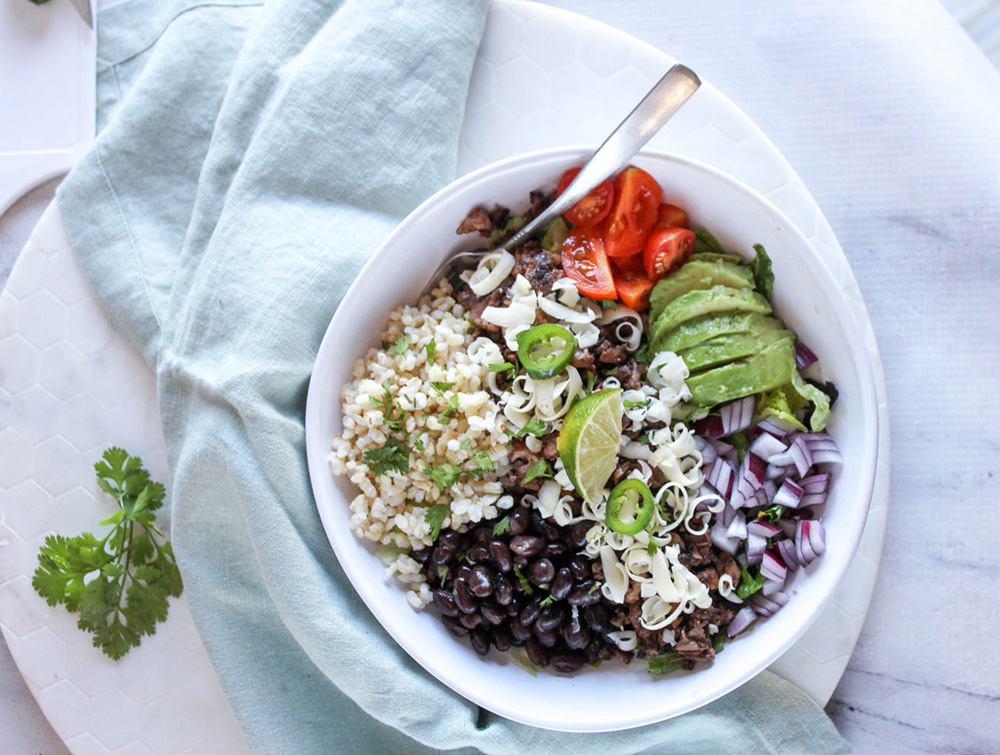
Dinner is easier when you keep it flexible, and bowls make that possible: change the protein, swap the vegetables, use whatever grain you have, or skip it altogether. If you like dinner bowls, you don’t need another recipe; you just need to know how to build a dinner bowl.
Start with a Base
The base of a bowl is what sits underneath everything else. You can choose more than one base; here are some good base options:
- Whole grains such as rice, quinoa, farro, barley
- Small Pasta like orzo, small shells, ditalini, couscous or elbows work best
- Leafy Greens like spinach, arugula, chopped kale, field greens or romaine lettuce.
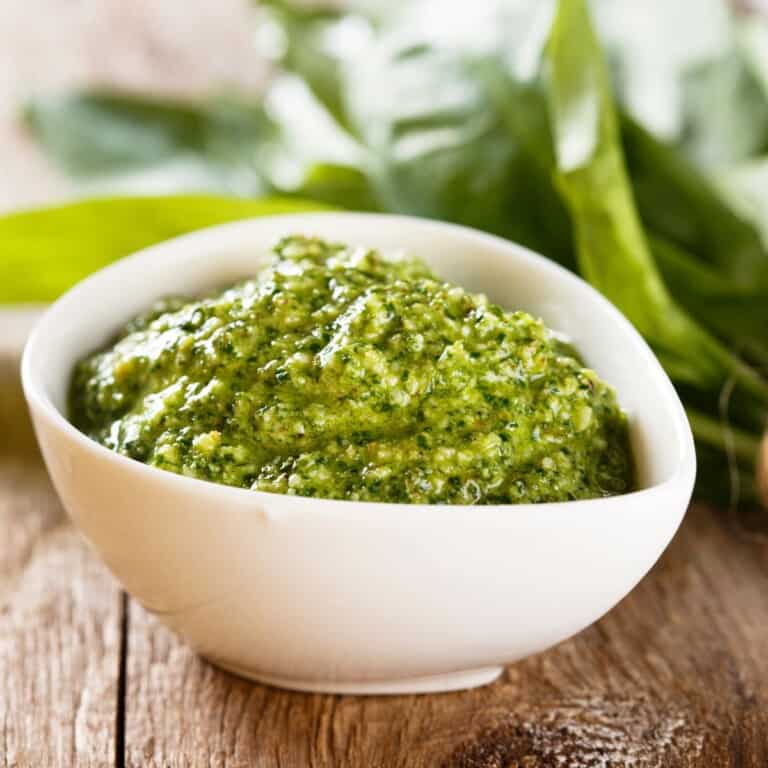
I usually build my bowls on greens because I’m eating lower carb, but if I have leftover rice or quinoa, I’ll use that too. Sometimes I use both. That’s the beauty of bowl dinners: you can build them around what you have and what works best for you. For example, my pesto chicken bowl uses both pasta and leafy greens as a base.
Choose a Protein for Your Dinner Bowl
Meat, seafood, or a plant-based protein all work, so use whatever you have. Grilled, seared, shredded, or leftover from Sunday dinner, it all works. This is usually the easiest part of building a bowl because most people already know what protein they want.
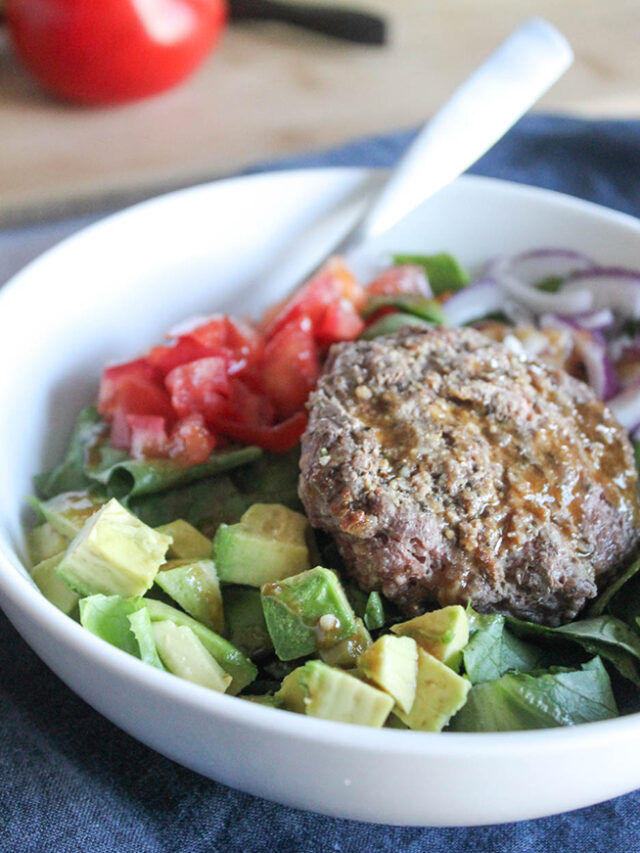
Take my California Burger Bowl, for example. It uses a real grilled burger patty instead of crumbled ground beef. That one choice is what makes it taste like a backyard burger instead of taco meat served in a bowl.
Some protein ideas for your bowl include:
- Poultry: Rotisserie chicken, shredded breast, or ground turkey
- Seafood: Grilled or pan-seared shrimp (like my Bang Bang Shrimp Bowl), salmon, or canned tuna
- Red Meat: Leftover steak or ground beef
- Plant-based: Tofu, tempeh, lentils, or canned beans
Add Fresh or Roasted Vegetables
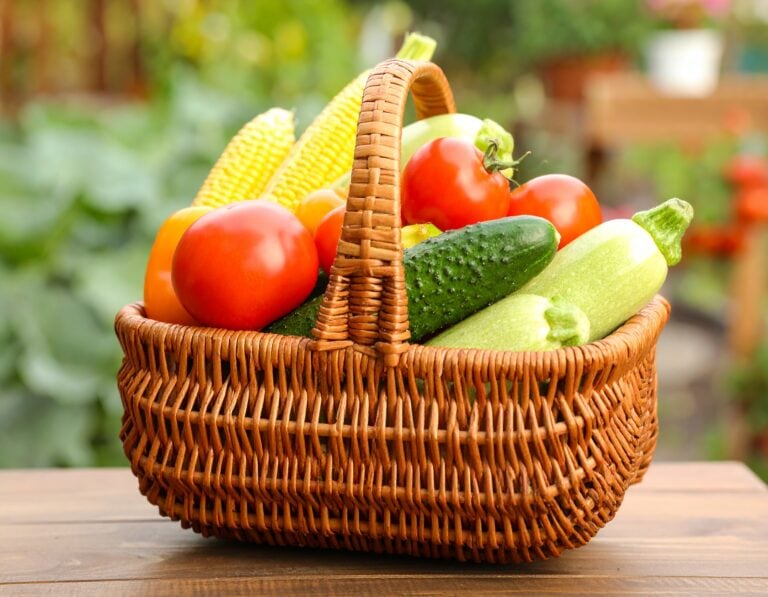
Veggies are what bring color, texture, and freshness to a dinner bowl. They also make it easy to use up what’s already in your refrigerator, so nothing goes to waste. Raw, grilled, sautéed, or roasted vegetables all work. Pick one or two favorites, or mix several for more variety.
One vegetable works, but combining two or three adds more color, texture, and fiber, plus it’s a good way to use up whatever’s about to go bad in the fridge.
Last, the Sauce or Flavor
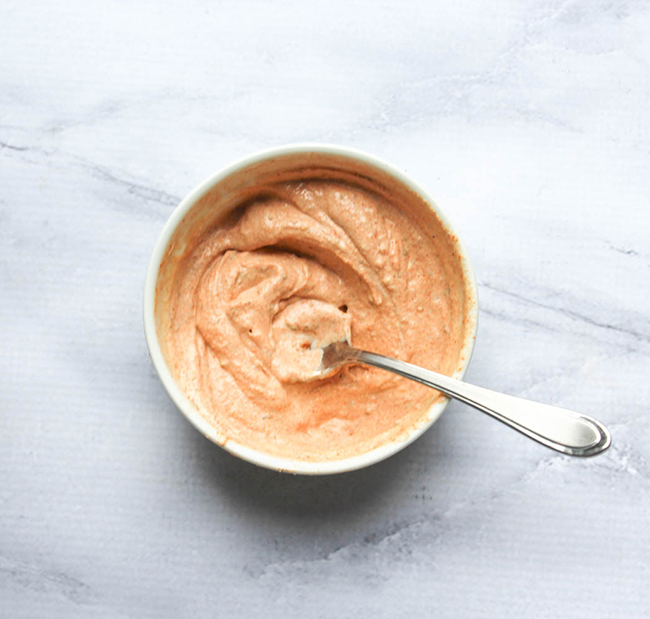
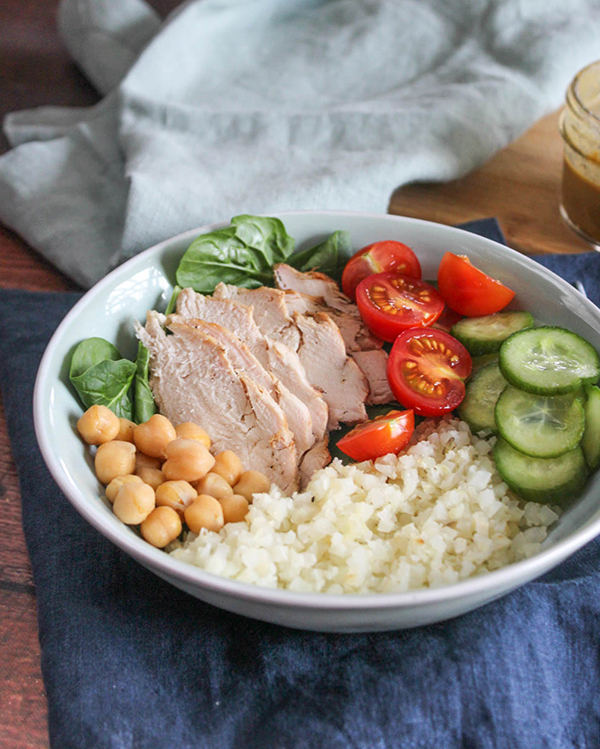
The sauce or seasoning can take your bowl in so many directions. A salsa or chili-lime dressing makes it feel like a burrito bowl or taco bowl, while a tahini drizzle, a scoop of hummus, or a spiced yogurt sauce like the one on this Chicken Shawarma Bowl transforms the same base, protein and vegetables into a completely different bowl.
The best part is that you don’t have to change everything to make dinner feel different. Simply swapping the sauce or flavor profile can completely change the meal, even when the rest of the ingredients stay the same.
Finish (optional)
This step is completely optional, but it’s what makes a bowl taste finished. If you have an extra 30 seconds, try adding one of these:
- A squeeze of lime or lemon for brightness
- Avocado slices or a scoop of guacamole
- A handful of feta, goat cheese, or parmesan
- Toasted nuts or seeds for crunch
- Fresh herbs like cilantro, basil, or parsley
You can skip these when you’re in a hurry, but even one small finishing touch can make a big difference.
How Long Will Bowl Ingredients Keep in the Fridge?
Most proteins and roasted vegetables keep for three to four days in an airtight container. Keep delicate greens separate and add them right before serving so they stay crisp.
Stop Searching. Start Building
Once you know the elements of a bowl, you don’t need to hunt for the perfect recipe anymore. Just look in your fridge and build from what you have instead of scrolling through your phone looking for recipes.
I like to build bowls the night before grocery shopping on purpose. It’s an easy way to use up the half bell pepper, the last scoop of rice, or that leftover chicken from Tuesday before bringing home fresh groceries.
A recipe teaches you how to make one bowl. A formula teaches you how to make dinner with whatever you have.
Are You Ready to Simplify Your Dinner Routine?
If you’d like a little help getting started, grab my free Bowls Mix & Match Dinner Builder. It organizes the combinations for you, so instead of doing the math at the fridge, you simply pick what you have and build your bowl. Download your free Dinner Builder here and start building better dinners tonight! For ready-made combinations, check out these Dinner Bowl Recipes to Make on Repeat.