What Does Zucchini Taste Like? A Guide and Tips for Best Flavor



Zucchini also known as summer squash or courgette is a versatile and popular vegetable. Its mild flavor can change slightly depending on how it is prepared which makes it perfect for many dishes. But did you ever really wonder what does zucchini taste like?
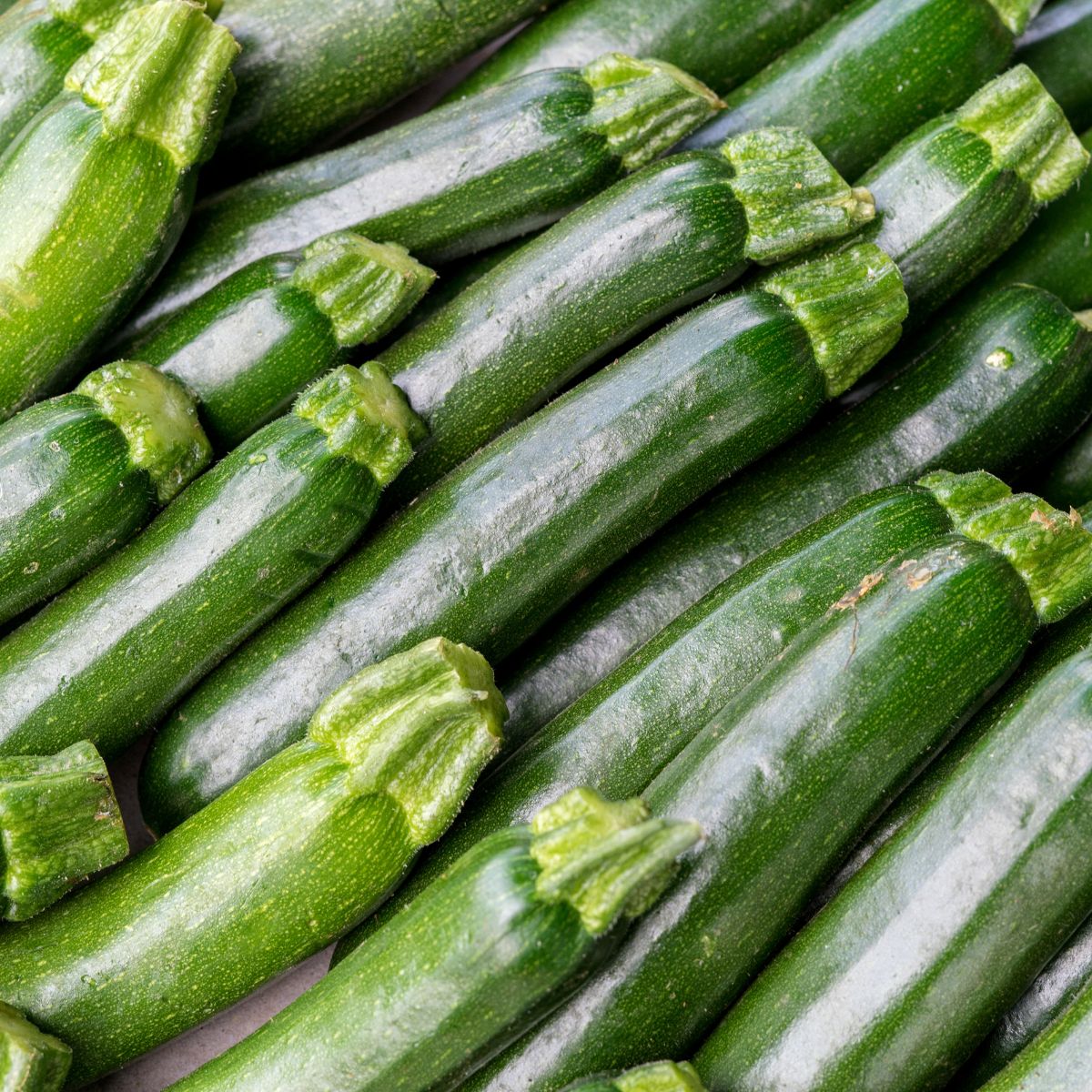
Zucchini can be prepared many ways such as sautéing, roasting and grilling and even uncooked. Raw zucchini can be a refreshingly crunchy addition to a salad or a tender ingredient in a cooked dish.
Zucchini’s flavor profile
Zucchini has a unique flavor that is mild but with a subtle sweetness and a spongy texture which makes zucchini perfect for absorbing the flavors it is cooked with. The flavor of zucchini can change too, depending on how it is prepared.
Raw zucchini flavor
Raw zucchini has a crisp texture with a mild flavor. When you bite into a piece, you’ll notice a slightly crunchy texture and subtle taste, making it perfect for salads. I enjoy spiralizing it or creating zucchini ribbons and tossing them with a light dressing for a refreshing and simple summer salad. I also like to make zucchini rolls with guacamole and pickles made with zucchini tastes amazing!
People often compare raw zucchini to fresh cucumbers but with a more hearty texture and flavor. In summary, raw zucchini has:
Cooked zucchini flavor
As with most vegetables, cooking changes the flavor and texture profile. Heat makes zucchini softer and brings out its natural sweetness. When you cook zucchini, you will experience:
Whether grilling, sauteeing, steaming or roasting it, cooked zucchini can be a delicious addition to many dishes. It’s perfect for adding to stir-fries, pasta dishes, casseroles and soups.
Zucchini Varieties
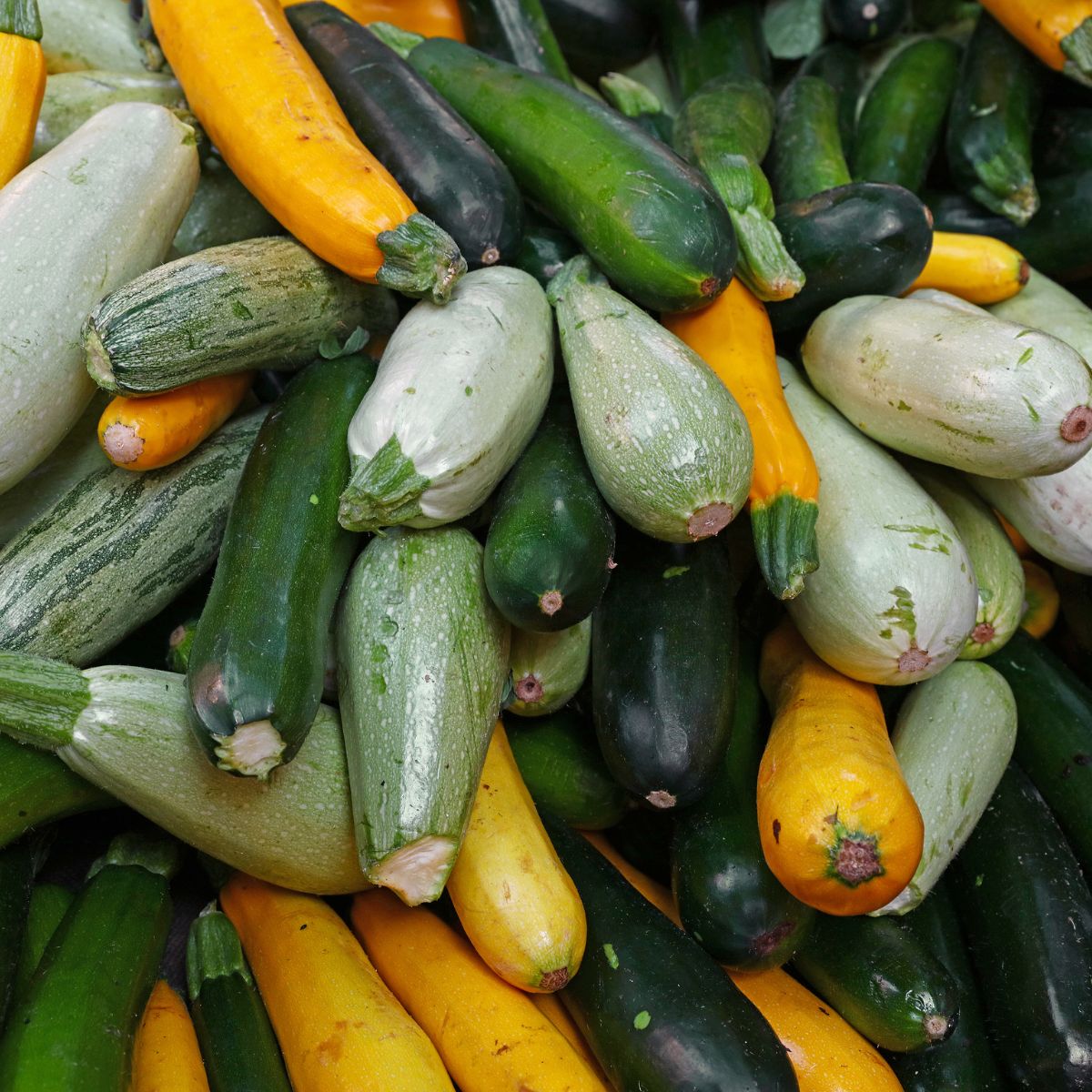
Zucchini comes in many types. Here are descriptions of different zucchini varieties and how each one can add a unique twist to your recipes.
Green zucchini
Green zucchini is the most common type of zucchini that you will find in stores. It has a dark green color and a smooth, thin skin. When sliced open, it has a pale and almost white flesh. The flavors mild and slightly sweet similar to a cucumber but with less crunch. Green zucchini is great for grilling, roasting or adding to stir fries.
Yellow zucchini
Yellow zucchini which aslo known as golden zucchini stands out with its bright yellow skin. The flavor is similar to green zucchini, but some people describe it to be slightly sweeter. Yellow zucchini is perfect for baking into zucchini bread or sauteeing with other vegetables.
Pale green zucchini
Pale green or white zucchini has a lighter green shade and is often shorter and more rounded. As with the other two varieties, the taste is similar, but a bit more tender. It’s a great choice for salads, or steaming.
Selecting and storing zucchini
Understanding how to select and store zucchini properly makes a big difference in taste and texture.
How to select fresh zucchini
Here are some tips for choosing the right zucchini for the best flavor:
- Dark Green Skin – Zucchini with deep dark color tends to be fresher and taste better. Stay away from zucchini that has a dull skin and feels soft. For yellow and pale green zucchini, look for a vibrantly colored zucchini skin free from blemishes.
- Smooth Texture – The skin should be smooth and free from cuts or soft spots. Any signs of damage can indicate that the squash has passed its prime.
- Small in Size – Smaller zucchini are more tender and have a more concentrated flavor while large zucchini tend to contain more water, taste less flavorful and will often have larger seeds. Look for zucchini that is 6 to 8 inches long and about 2 inches in diameter.
How to store fresh zucchini
To maintain its flavor and texture, here are some tips to properly store zucchini:
- Room Temperature – If you are planning on using the zucchini within a day or two, you can keep it at room-temperature in a cool dry area away from direct sunlight.
- Refrigerator – For longer storage, store dry whole zucchini squash in the refrigerator. Place them in a plastic bag, paper bag or reusable produce bag with one end open for air circulation. If stored properly, they can last one to two weeks. If you notice the skin starting to shrivel, it’s time to use the zucchini up.
Zucchini blossoms
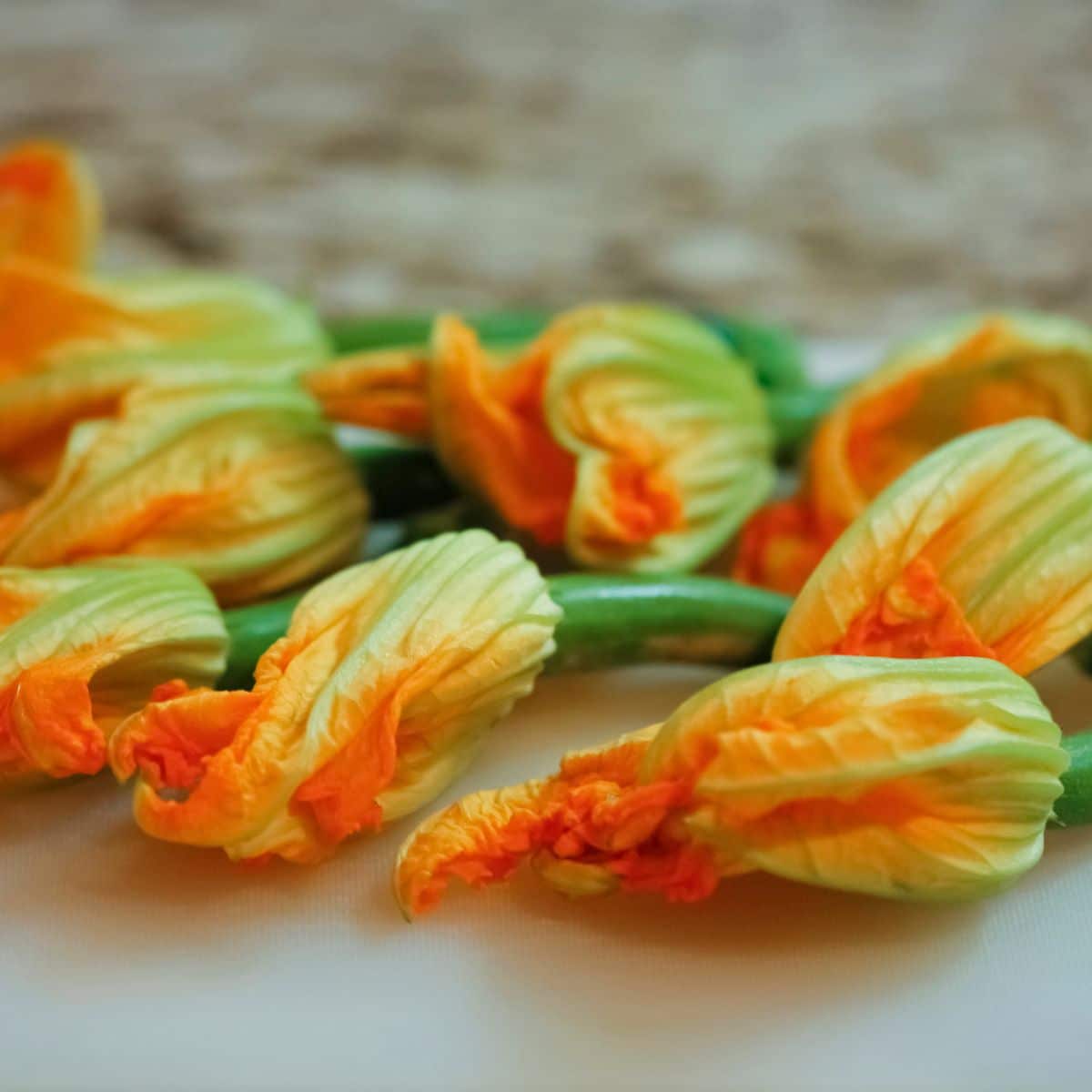
Zucchini blossoms are edible and delicious! There are two types of blossoms: male and female. Each has its own role in the lifecycle of a zucchini plant.
Male blossoms – These flowers grow on a thin, long stem. They don’t produce fruit but are essential for pollination. Male blossoms are often more plentiful and are usually the ones that are found at farmer’s markets or grocery stores.
Female blossoms – These flowers are the flowers that turn into zucchini. Behind each flower, you will see a small immature zucchini that will eventually grow into a zucchini plant if pollinated.
Try this recipe for zucchini blossoms.
How to choose and cook with zucchini blossoms
Zucchini blossoms aren’t always easy to find in the grocery store. The best way is to harvest them from a zucchini plant in your vegetable garden, or you might be able to find them in your farmers market. Look for blooms that are bright and not shriveled and use them as quickly as you can after buying them, they are very perishable!
Even though you can eat both male and female blossoms, if you harvest the blossoms from your garden try to use male flowers which have a straight, thin stem as opposed to the female blossoms with the baby fruit attached.
If you need to store your zucchini flowers, place them in a single layer on a damp paper towel and cover with another damp towel and store in the refrigerator for no longer than two days.
Zucchini blossoms have a slightly sweet flavor. They can be stuffed, fried, added to pastas and salads.
Health benefits of zucchini
Zucchini is more than just tasty addition to your meals; it is also packed with nutrition. Here are a few highlights of zucchini health benefits:
- Low in calories
- Rich in vitamin C, antioxidants and essential nutrients
- Good source of fiber
- Hydrating
You can read more details about the health benefits of zucchini on healthline.
Ways to enjoy zucchini
Understanding the best cooking techniques can take your zucchini from a simple vegetable to the a flavor-packed dish. Here are some ways to enjoy it.
Spiralized Zucchini Noodles
Spiralizing zucchini into noodles, often called “zoodles”, a popular way to enjoy a lighter, veggie-packed alternative to pasta. Using a spiralizer or even a simple julienne peeler, you can turn fresh zucchini into long, thin strands that mimic traditional noodles but with far fewer carbs and calories.
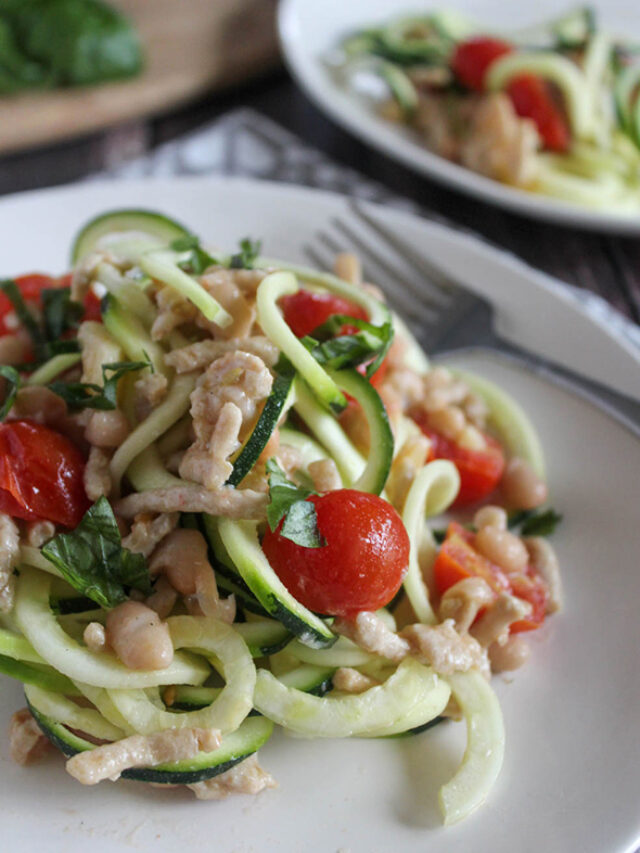
Zoodles cook in just a minute or two, which means you get a tender-yet-firm texture without losing their fresh flavor or nutrients. The key is not to overcook them. They release water quickly, so a quick sauté or a brief toss in a warm sauce is all they need to stay crisp and satisfying. One of our favorite ways to enjoy zucchini noodles is in this zucchini noodles with chicken, a quick and healthy dinner!
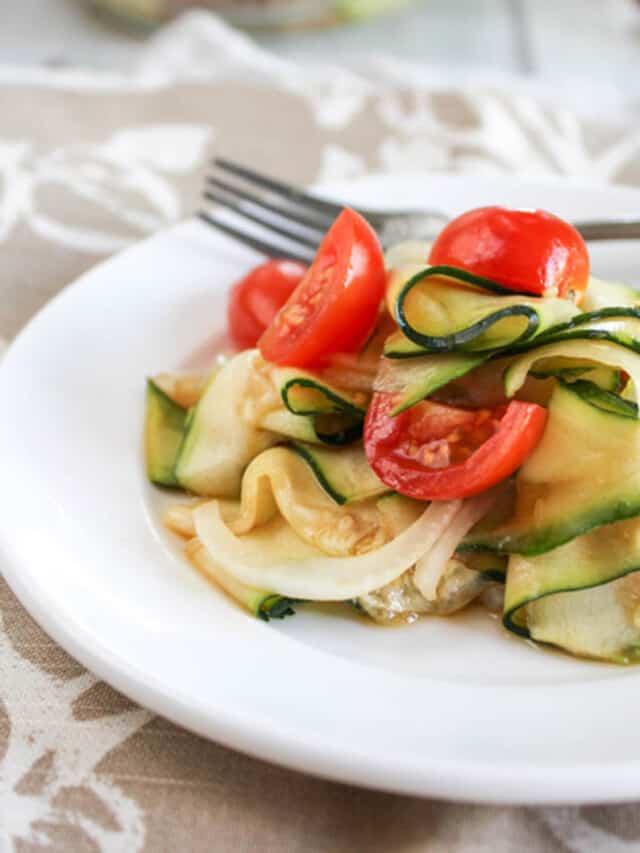
Zucchini noodles also taste great raw. They are slightly crisp and taste great in salads like this zucchini veggie noodle salad.
Grilling and Roasting
Both grilling and roasting are simple ways to make zucchini more sweet as the sugar in the zucchini caramelizes with these two methods.
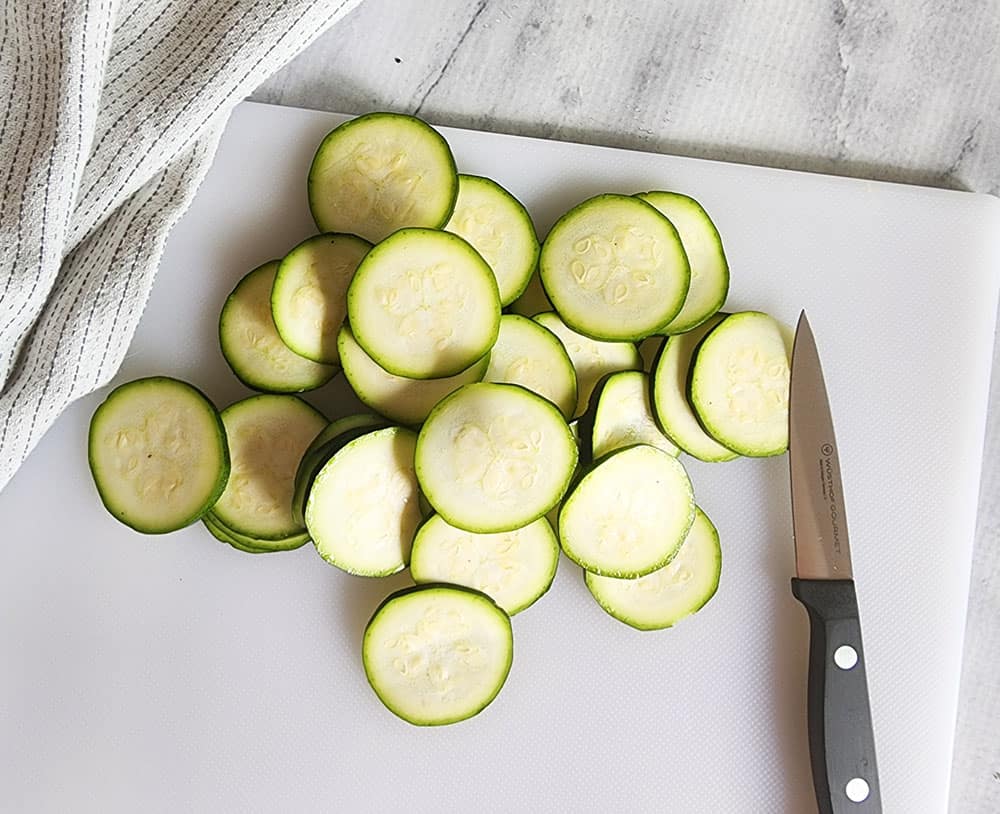
- Grilling – Start by slicing the zucchini vertically into long strips that are about 1/8 to 1/4 inch thick. Coat them lightly with love oil and place the slices directly on a hot grill for about 2 to 3 minutes per side. The high heat of the grill will help to caramelize the sugars on the squash which will create beautiful grill marks as well as a sweet and smoky flavor. The flavor is grilled zucchini will be slightly sweet and smoky.
- Roasting – Preheat your oven to 400 degrees f (200 degrees c). Cut the zucchini into bite-sized pieces or slices and toss them in a little bit of olive oil. Spread the pieces out in a single layer on a baking sheet and roast for 15 to 20 minutes or until they are golden brown and tender. Season to taste or add a dash of grated parmesan cheese. Roasting mellows out the flavor a bit and will taste similar to grilled zucchini without the smoky taste.
Sauteeing and steaming
Sauteeing and steaming are gentle techniques that highlight zucchini’s flavor. Perfect for when you want the zucchini to shine without extra ingredients.
- Sauteeing – Heat a tablespoon of olive oil in a skillet over medium heat. Slice the zucchini into thin slices or strips. Once the pan is hot, add the zucchini to the pan and saute for 5-7 minutes, stirring occasionally until the zucchini is tender but still slightly crisp. Season to taste with fresh herbs, garlic, or a splash of lemon juice. Sauteed zucchini, is crisp and refreshing.
- Steaming – Cut the zucchini into chunks or sticks and place them into a steamer basket over boiling water. Cover and steam for about 3 to 5 minutes or until the zucchini is just tender. For added taste drizzle with a little bit of butter or lemon juice just before serving. Like sauteed zucchini, steamed zucchini will have a refreshing flavor with a slightly soft texture.
Here’s a recipe for sauteed zucchini that is a favorite side in our house.
Raw zucchini
Zucchini is great raw, too. Grate it and toss it in your salad for a fresh crunch. Spiralize it and mix it with your favorite greens for a light, refreshing dish. You can even slice it into ribbons and add it to salads for a colorful twist.
Foods that pair well with zucchini
- Dairy: cheese (goat, Gruyere, mozzarella, Parmesan), butter, yogurt, sour cream
- Herbs & Spices: basil, chives, coriander, garlic, cumin, dill, marjoram, mint, mustard seeds, oregano, parsley, dill, rosemary, sage, thyme
- Vegetables: peppers (bell, chili), corn, eggplant, onions, tomatoes
- Italian cuisine, Mediterranean cuisine, French cuisine
- Lemon juice
- Meats and seafood
- Olive oil
Try these flavor combinations with Zucchini
Experimenting with flavors can be a great way to find new recipes. Try these combination suggestions below, or come up with your own.
- raw zucchini + basil + garlic + tomatoes
- grilled zucchini + eggplant + garlic + tomatoes + ricotta cheese
- sauteed zucchini + bell peppers + chicken
Want more zucchini ideas? Don’t miss this collection of easy favorites.
Zucchini FAQs
Yellow squash has a fatter bottom and tapes towards the neck, while yellow zucchini is more uniformly shaped (like a green zucchini). Both taste mild by yellow squash is slightly sweeter.
Yes, they are the same vegetable. Zucchini is the American name and courgette is the name used in Europe.
Yes, but it might be watery and seedy. You can use it in recipes where the texture isn’t important, such as zucchini bread and soups.