Simple Tips for Weekly Meal Planning for Two

Planning your meals has so many benefits. It can help develop healthier eating habits, keep you within your grocery budget, and minimize food waste. If you are weekly meal planning for two, it might seem challenging, but it is definitely possible!
This post may contain affiliate links. I earn a small commission if products are purchased through links at no additional charge to you.
Most recipes are tailored for larger portions and if you are cooking for two, you might be thinking that you will repeatedly eat the same meal until it’s gone.
Additionally, food products are often sold in larger quantities, which can increase your food budget and cause unnecessary spending at the grocery store. So what do you do? Here are some simple tips to reap the advantages of planning meals for two.
Organize your recipes
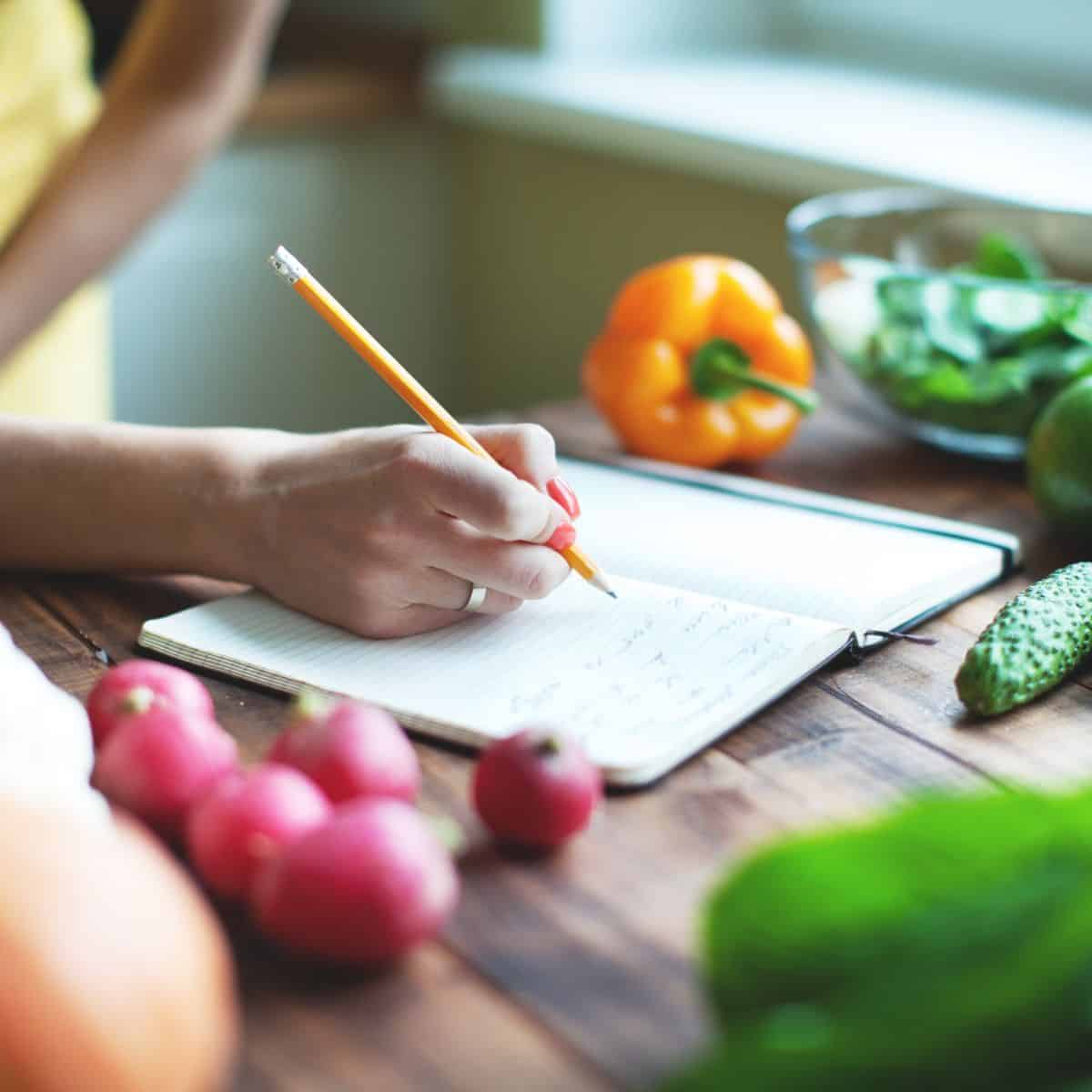
One of the first steps for meal planning is to organize your recipes. First, take a few minutes to sit down and discuss the dishes you both enjoy and devise a list of your favorite recipes.
Consider your personal preferences, food allergies if any and portion sizes. If you enjoy a meal, would you eat it more than one night of the week? By understanding each other’s likes and dislikes, you can create a weekly menu that both of you will be happy with.
Once you have your favorite recipes organized, it’s time to note any new recipes you want to try and make a list of them. Incorporate these recipes into your weekly meals, but make sure you have the time to experiment with them. If you find a recipe you enjoy, don’t forget to add it to your list of favorite meals!
One of the best ways to organize your recipes is to create a basic spreadsheet that includes the recipe’s source, such as a website link, cookbook, or magazine.
Helpful Tip! Add one or two of your favorite meals to your weekly meal plan. If you have many recipes on your list, you can rotate them for several weeks. This way, you’ll have a well-rounded meal plan with your favorite dishes.
Scale your recipes
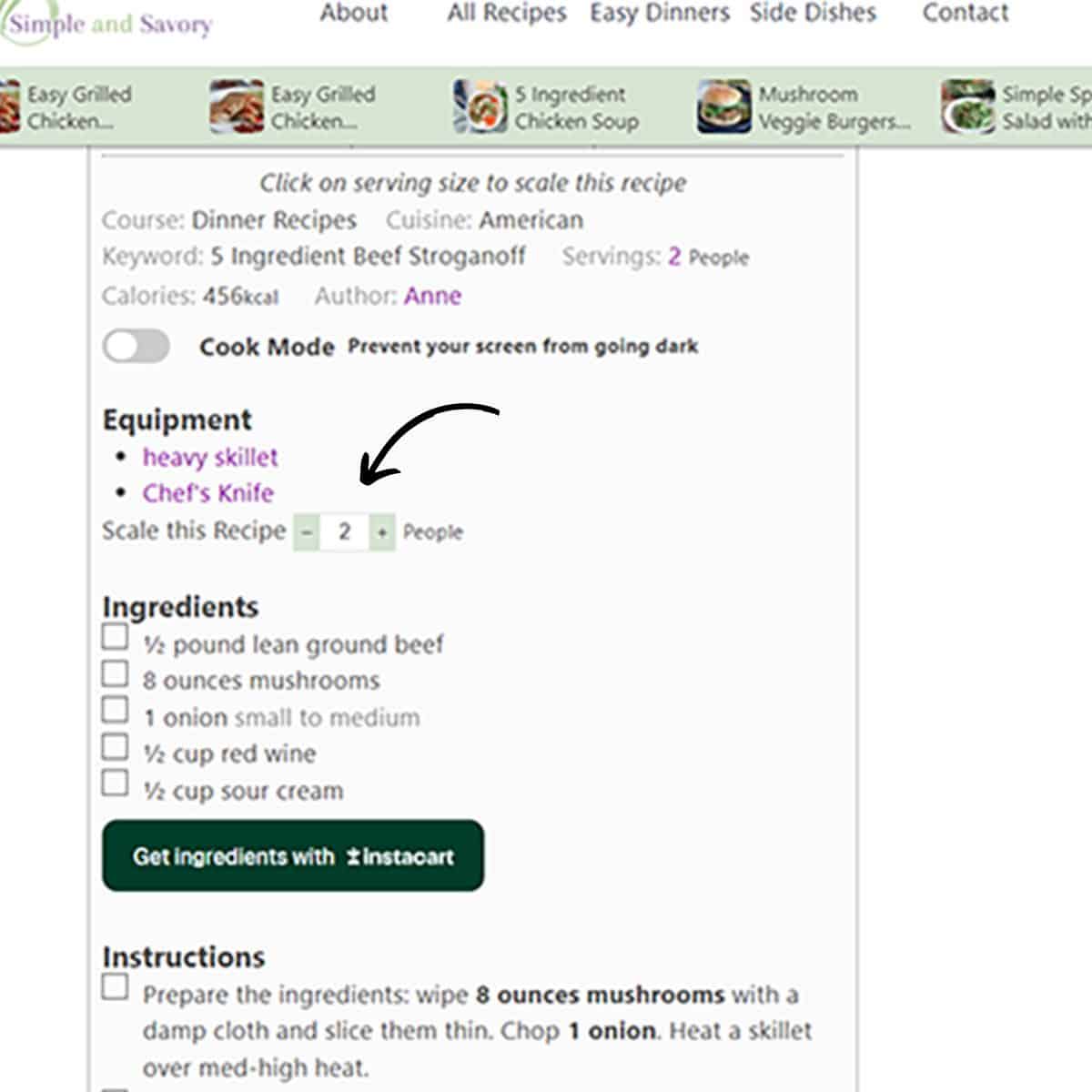
Recipes are often created to serve more than two people, but don’t let that discourage you. Scaling down the recipe is a simple process! In most cases, all that you have to do is adjust the ingredient quantities, and a calculator is a great way to do this.
Also, many recipe websites allow for scaling a recipe right in the recipe card which is a convenient and simple way to scale a recipe.
Use your appliances
If you have an air fryer, Instant Pot, or slow cooker, I highly recommend using them! They provide convenience, and flexibility and enable you to whip up delicious and healthy recipes with little effort.
If you’re into batch cooking, both the Instant Pot and slow cooker are ideal for making soups and preparing larger quantities of food that can be portioned out for future meals.
For smaller servings, an air fryer is a fantastic addition to your kitchen. Most air fryers are the perfect size for preparing two servings and minimizing food waste. Moreover, the air fryer cooks quickly, making it a convenient and excellent tool in the kitchen.
Organize and inventory your pantry
Efficient meal prep and spending less time in the kitchen become possible when you organize your pantry and keep track of what you have.
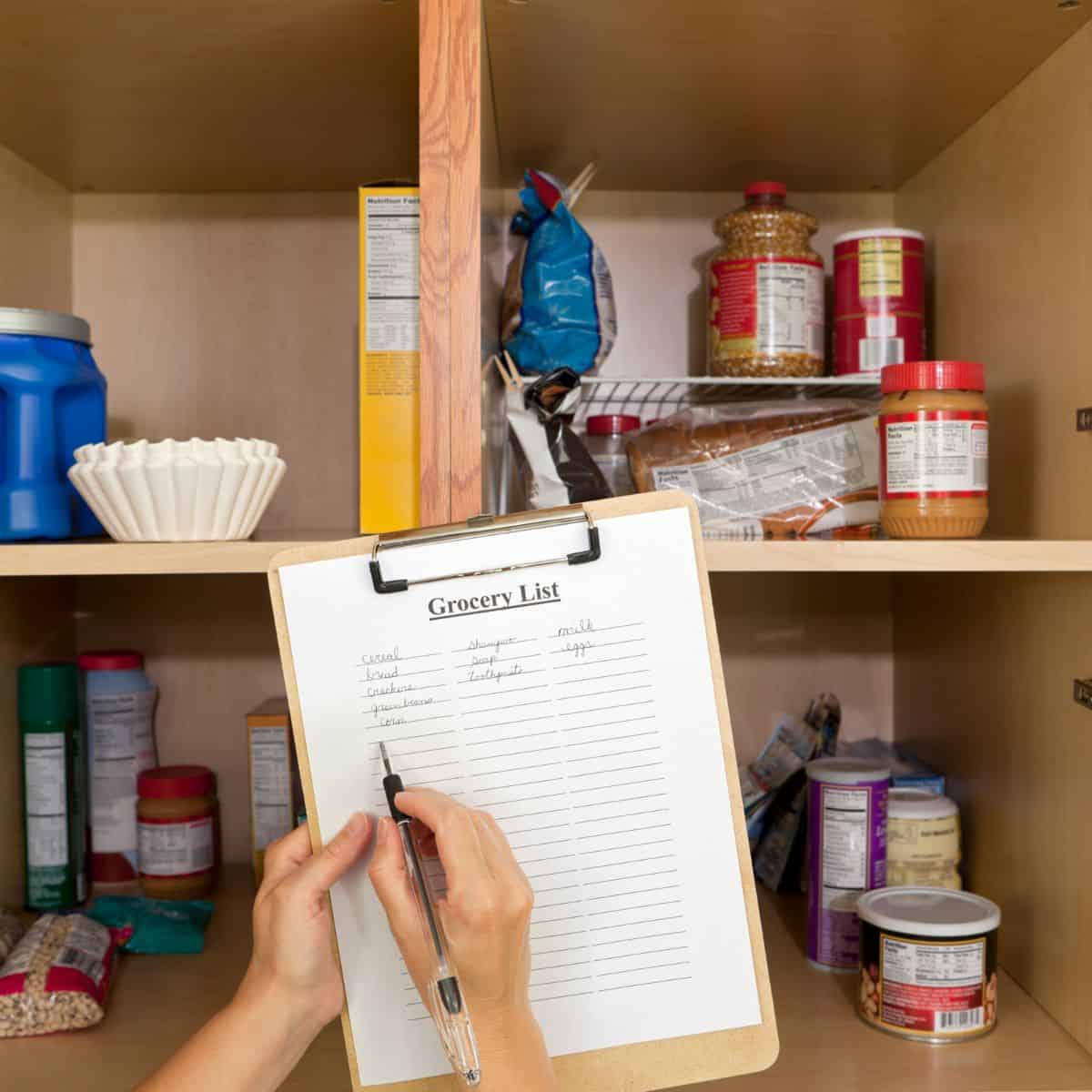
To start, declutter and remove any expired items. Then, take inventory of your pantry and categorize items according to their type, such as grains, canned goods, spices, and condiments.
To stay on track with your meal planning, once it’s organized, consider creating a pantry inventory list that includes space for the necessary items for future meals that you will need to purchase.
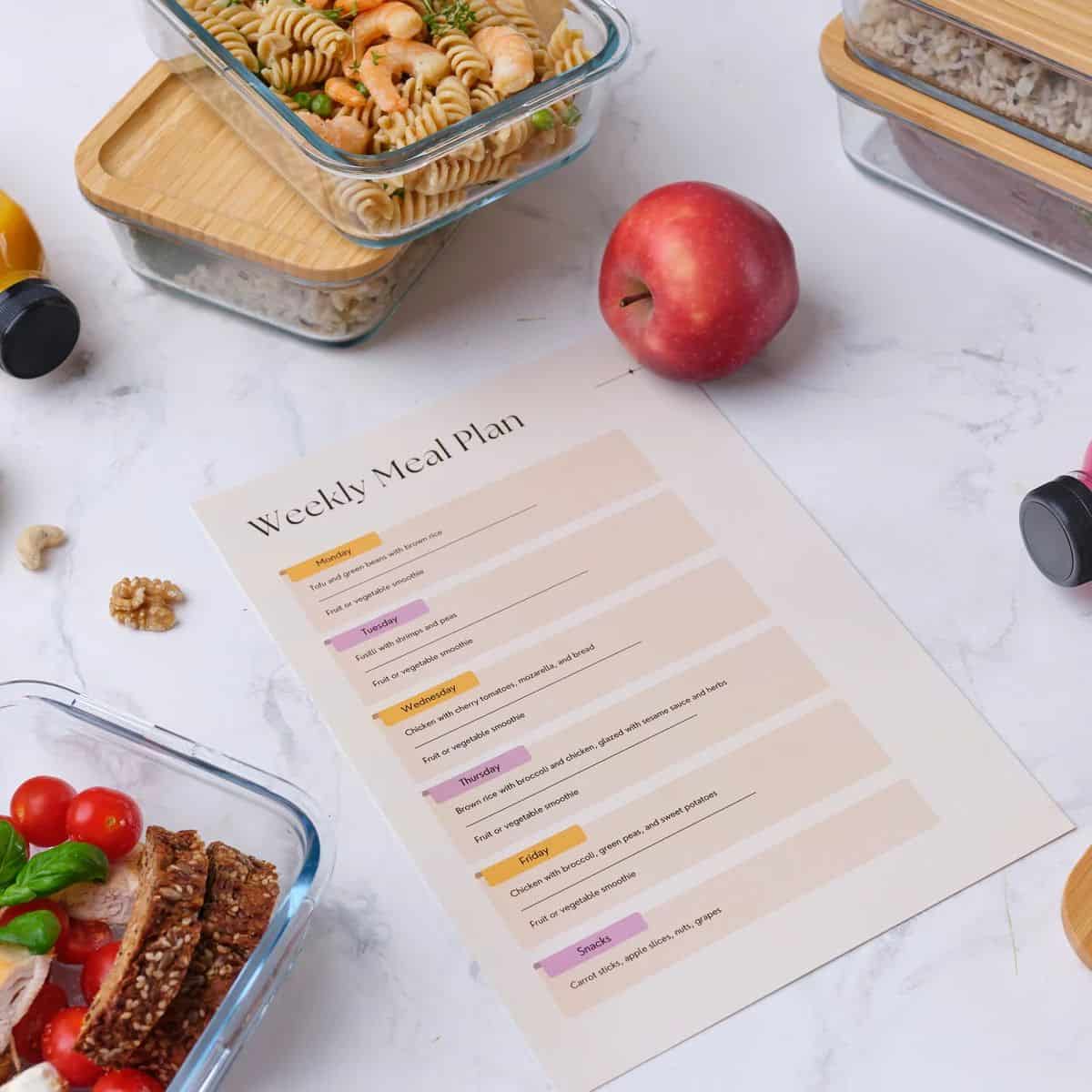
Write a weekly meal plan
It’s time to plan your weekly meals now that your recipes and pantry are organized. Here are some tips:
- Check your schedule and select the number of meals you need for the days of the week in the upcoming week. Consider breakfast, lunch, and dinner.
- Refer to your pantry inventory and look for recipes that use what you already have in your pantry.
- Mix your favorite recipes with new delicious meals and dishes that can be repurposed as leftovers.
- Remember to factor in your available cooking time and pre-planned events, opt for a simple recipe on a busy night.
- Once you’ve made your selections, create a shopping list based on the required ingredients for each meal.
- Flexibility is key. Allow room for changes and adjustments as needed; if you don’t feel like cooking, it’s okay to order takeout occasionally!
- Use a notebook, meal planner sheet or spreadsheet to record your meal plan.
Helpful Tip! Save your previous meal plan to use in the coming weeks.
Shop Smart
When you are planning meals for two people, shopping smart is crucial for making the most of your grocery budget and having all the necessary food items available.
It’s best to create a comprehensive grocery shopping list of the ingredients you will need. This will help you to stay on track and avoid impulsive purchases that aren’t on your grocery list. Here are some tips for shopping smart:
- Plan for versatile ingredients – When planning your home-cooked meals, it’s a good idea to select ingredients that can be used in multiple dishes to minimize food waste. For instance, chicken breast, bell peppers, and leafy greens are versatile ingredients used in various recipes throughout the week, making buying them in larger quantities easier.
- Only buy in bulk when appropriate – While buying smaller quantities is more practical, certain pantry staples have a longer shelf life and can be more cost-effective when purchased in bulk. Items such as pasta, whole grains, canned goods, and frozen foods are good options to buy in bulk if you use them in your recipes.
- Shop seasonally and locally – One way to save money and get fresher produce is to shop seasonally and locally. Look for fresh, in-season items often sold in smaller sizes and are more affordable. Consider supporting your local farmer’s market or joining a community-supported agriculture (CSA) program to access fresh, local produce.
- Shop Sales and Discounts – To make the most of your budget, it’s a good idea to keep an eye out for sales, promotions, and coupons. Consider planning your meals around discounted ingredients, especially those that are available in small portions when can be more expensive.
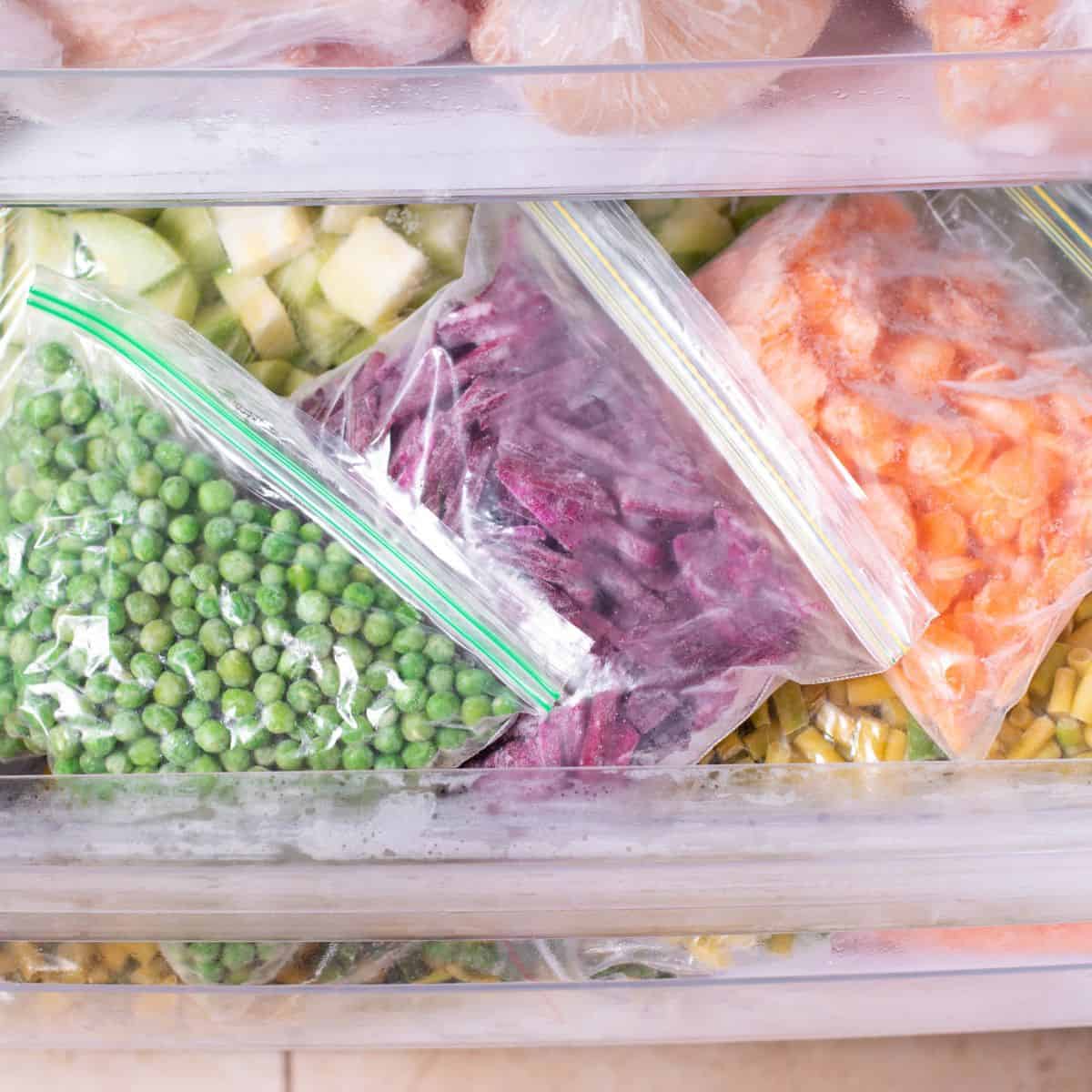
Use your freezer
Your freezer can prove to be a valuable tool in meal planning. By taking advantage of bulk purchases, storing leftovers, and preparing meals in batches, you can save money while still having access to quality ingredients for healthy meal plans.
To make the most of your freezer, consider purchasing larger meat packages during sales or discounts, such as chicken breasts, pork chops, ground beef, or fish, and dividing them into smaller, two-person portions for freezing. Additionally, you can store leftovers from your meals and prepare larger quantities of soups, stews, or casseroles and freeze them in individual portions to freeze for later consumption.
Helpful Tip! If you have the budget for it, consider investing in a small chest freezer, such as the one offered by NewAir. It can come in handy!
Get creative with leftovers
When planning meals, it’s helpful to keep leftovers in mind. If you don’t want to have the same dish twice, consider ways to transform it into a new, delicious meal. For example, leftover grilled chicken can be used in a quesadilla, stromboli, sandwich, salad, or pizza.
Leftover grains can be turned into a bowl or fried rice, and leftover chicken or beef can be used to create a simple soup. With creativity, leftovers can be transformed into whole new meal.
Helpful Tip! Don’t make large meals that you won’t use as leftovers!
With some organization and creativity, you can enjoy the benefits of meal preparation, reduced food waste, and healthy eating that both of you will be happy with. Take a look at my growing collection of recipes designed for two.
Grab your Free copy !
Stuck on What to Make for Dinner?
Download my free Meal Matrix and mix-and-match your way to simple, satisfying meals—fast!
Meal planning for two FAQs
When it comes to leftovers, there are so many ways to transform them into something new. Cooked proteins can be turned into sandwiches, salads, wraps, bowls, soups, or stir-fries. Leftover vegetables and be added to eggs, salads, fried rice, or noodle bowls. The key is to think outside the box!
Yes! By planning your meals in advance, you can create a shopping list based on your specific needs. This prevents food waste and cost savings.
It’s a good idea to update your meal plan every week or every other week. This will help you to incorporate fresh ingredients into your meal plan as well as accommodate changing schedules.
Sign Up for Easy Recipes Straight in Your In-Box!