Flavor Guide for Home Cooks: Make Simple Dinners Taste Better

We’ve all been there: you follow a recipe to the letter, use all of the right ingredients, and yet the final result still feels flat. If that sounds familiar, don’t worry, it’s not a problem with your cooking skills. Sometimes a dish just needs a final tweak to suit your unique tastes. Flavor is a balance of just a few core elements and once you know how to adjust them, you can transform any meal. In this flavor guide, I will show you the simple building blocks that take everyday food from just ok to fantastic.
The Five Basic Flavors
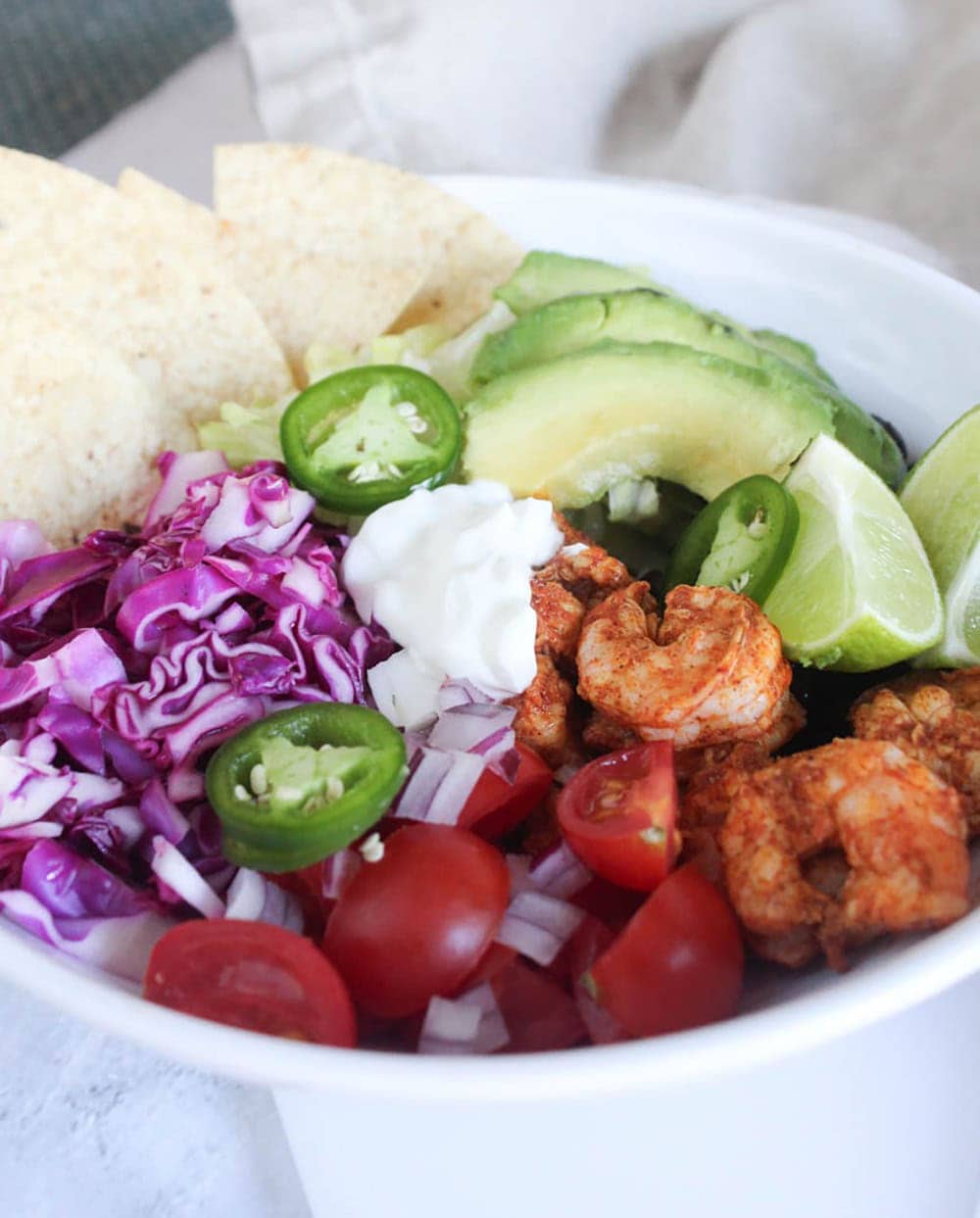
Almost every good-tasting meal is built on five basic flavors, which are: sweet, sour, salty, bitter, and umami. Each one has a job.
- Sweet softens and rounds things out.
- Sour brightens and wakes everything up.
- Salty brings out the natural flavor in food.
- Bitter adds depth and balance.
- Umami gives food that savory “this tastes good” and brings everything together.
When food tastes flat, it’s usually because one of these flavors is missing, or one is doing all the work by itself. The magic happens when you combine them. Think about these common flavor combinations and how they make food taste.
- Salty + sour makes food pop (pickles, capers, olives)
- Sweet + salty feels comforting (chocolate-covered pretzels, salted caramel)
- Umaimi + acid keeps rich dishes from feeling too heavy (tomato sauce + parmesan cheese)
Once you start paying attention to these basics, flavor stops feeling mysterious. You can look at a dish and know what it needs.
Why Food Starts to Taste Flat
Life gets busy and it’s easy for our favorite meals to lose their spark. When we are tired, we tend to reach for the same reliable ingredients and shortcuts. It’s what makes cooking easier in the moment, but over time, the same old food can get boring.
We use the same seasonings because they are familiar. We cook the same way because it works. We skip steps like blooming spices or caramelizing onions because we are in a hurry. None of this is wrong; it’s normal.
But over time, these shortcuts stack up. Meals become safe, predictable, and kind of forgettable. Good food comes from letting flavor develop step by step.
Where Flavor Fits Into Every Meal
What makes the biggest difference in flavor isn’t the recipe. It’s what you do along the way.
Once you start to break down a recipe into simple parts, and you have a basic understanding of flavors, you can see what each step is really doing. This is how I’ve learned to think about most dinners:
Protein + Vegetable + Cooking Method + Flavor
All of these components contribute to the flavor with the last one (flavor) being the touch that brings it all together. Protein, usually the main ingredient, gives the meal substance, and vegetables add balance, the cooking method shapes texture and depth and flavor. When you keep this in mind, it becomes easier to notice what’s missing.
Four Ways to Build Flavor
Now that you understand the five basic flavors and the components of a meal, let’s look at how they actually show up in everyday cooking.
Most dinners follow the same basic patterns for building flavor. Learning these makes it look easier to cook confidently, even when you are not following a recipe.
Aromatics: The Flavor Foundation
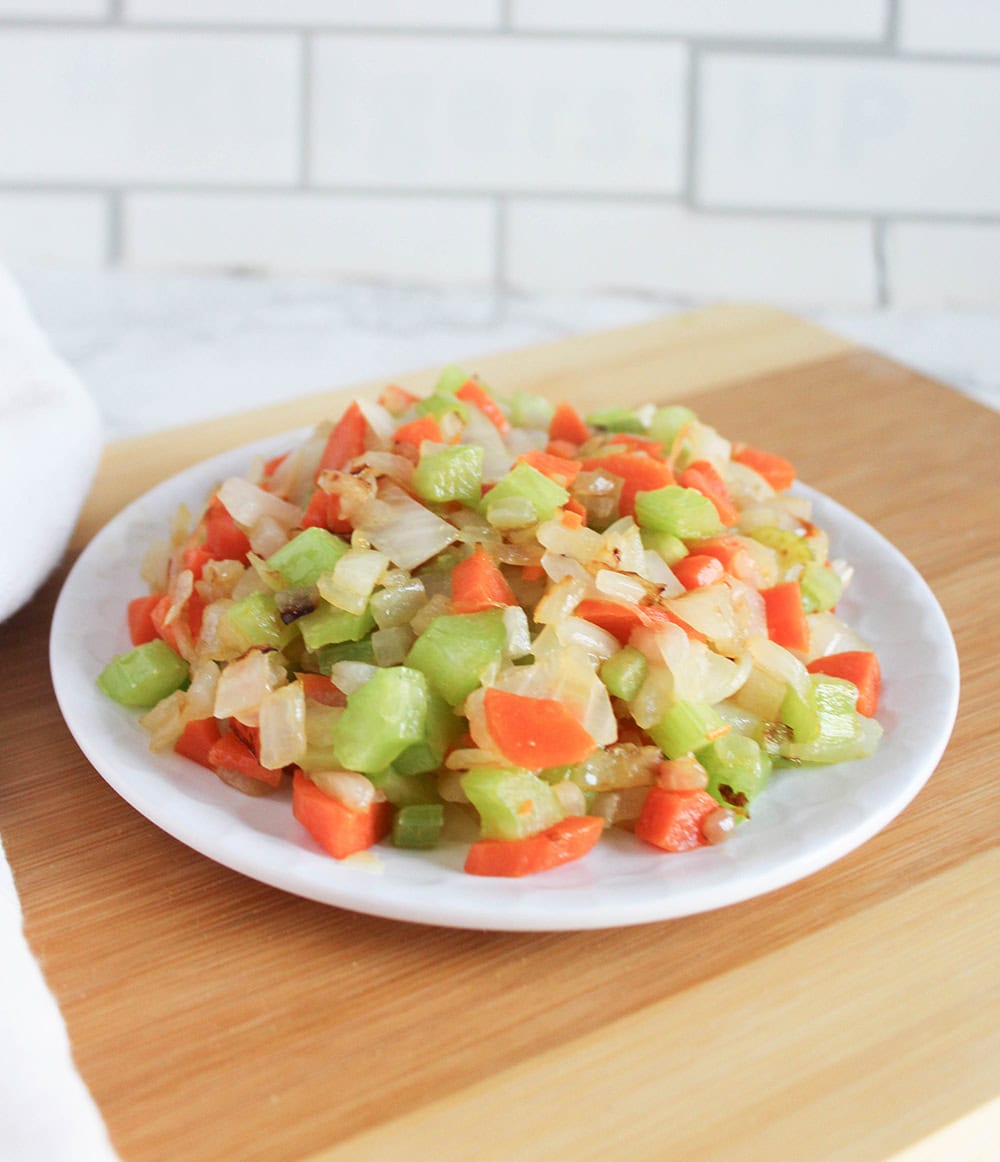
Aromatics are the first step of the flavor process. Think onions, garlic, shallots, celery, peppers, tomatoes, and spices.
When you sweat the aromatic vegetables while they are gently cooking in fat, they create a base layer of flavor that carries through the whole dish.
Skipping this step is one of the fastest ways to end up with bland food. Here are some simple aromatic examples from traditional global cuisines:
- French Mirepoix: onion, carrot, celery – this is a staple in French cuisine
- Cajun Holy Trinity: onion, celery, bell pepper – the foundation of Louisiana cooking.
- Spanish/Latin American Sofrito: garlic, onions, peppers and tomatoes -base for stews, beans and rice dishes.
- Portuguese/Brazilian Refogado: garlic, onion, paprika, tomatoes – base for sauces, stews.
- Chinese Trinity: ginger, garlic, scallions – a foundational flavor base of stir fries and savory dishes.
Layer Flavor with Herbs and Spices
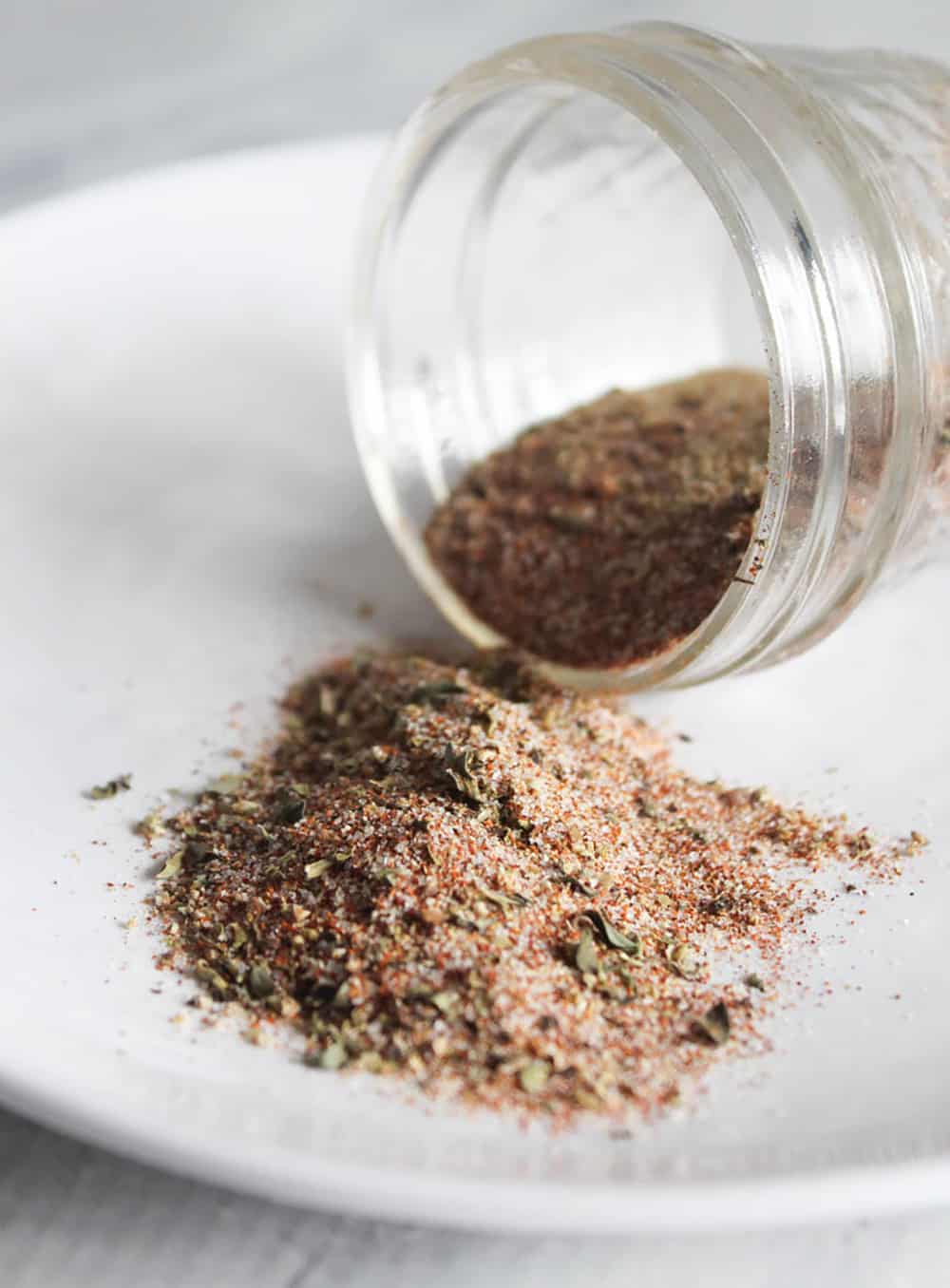
Building flavor is a process. Instead of trying to fix a dish at the very end, layering is more effective. It simply means that you season different stages to build a more complex and multi-dimensional meal. Here’s how you can apply flavor layers in your everyday cooking:
- The foundation: Great flavor starts before the pan is even hot. If you have the time, start with a meat brine, marinade, or dry rub for your protein; this ensures the meat is seasoned inside and out. Once you are ready to cook, build your next layer by sauteeing aromatics like onions, garlic, or one of the blends mentioned above in fat, which creates a savory base for the rest of your ingredients.
- The middle layer: As you add components like meat or vegetables to the pan, season them individually to make sure every bite is flavorful. This is the best time to add ground spices or dried herbs, so they have time to bloom or meld with the dish.
- The aromatic finish: Just before serving, add your top layer of flavor. Use fresh herbs like parsley, cilantro, basil, a burst of citrus zest, or a squeeze of lemon for a bright, fresh finish. Roast vegetables with oil and garlic as they cook, and finish off with lemon.
- The final balance: Right before the food hits the table, take one last taste. This is your final opportunity to adjust the salt, heat or acid to ensure everything is balanced.
If you are just starting out or feeling unsure about spices, you don’t need a packed spice rack. A small collection of common, reliable spices will take you a long way. Here are some commonly used spices:
- Garlic powder
- Onion powder
- Cumin
- Chili powder
- Oregano
- Thyme
- Rosemary
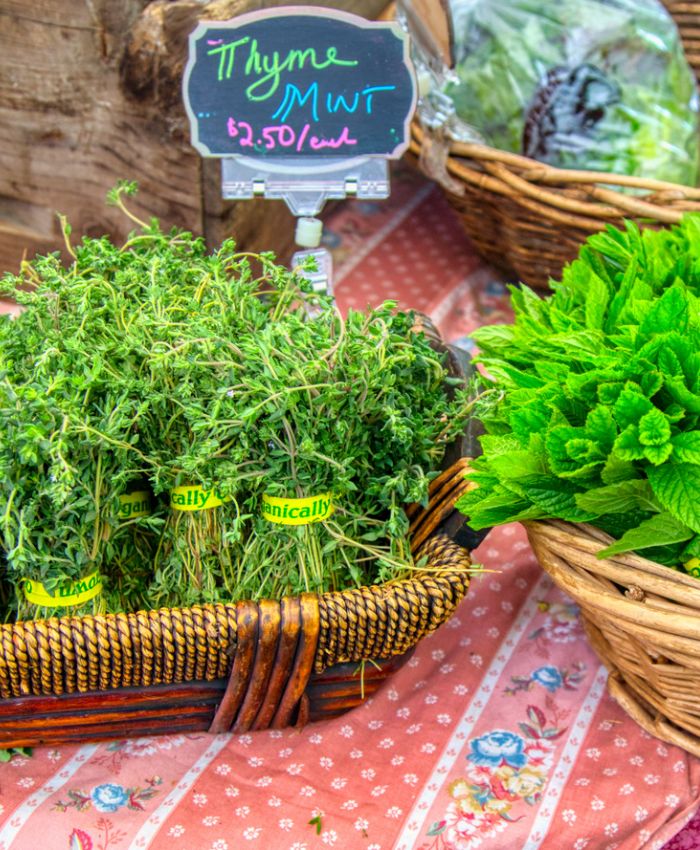
If you are not sure how to use fresh herbs, I walk you through that in this simple guide to cooking with herbs.
Sauces and Finishing Touches
Sauces and finishing touches are what pulls a dish together. A spoonful of pesto, a drizzle of vinaigrette, a squeeze of lemon or a sprinkle of cheese can really brighten a dish.
These little add-ins bring brightness, richness, and balance; the exact things that are usually missing when something tastes flat or off.
Finishing touches don’t have to be complicated. Even one finishing touch can make a bland dinner feel complete. Here are some easy options to keep on hand:
- Lemon, orange or lime juice
- Vinegar (balsamic, red wine, white wine, apple cider)
- Pesto
- Salsa
- Yogurt sauces
- Parmesan or feta cheese
Cooking Method: How Flavor Develops
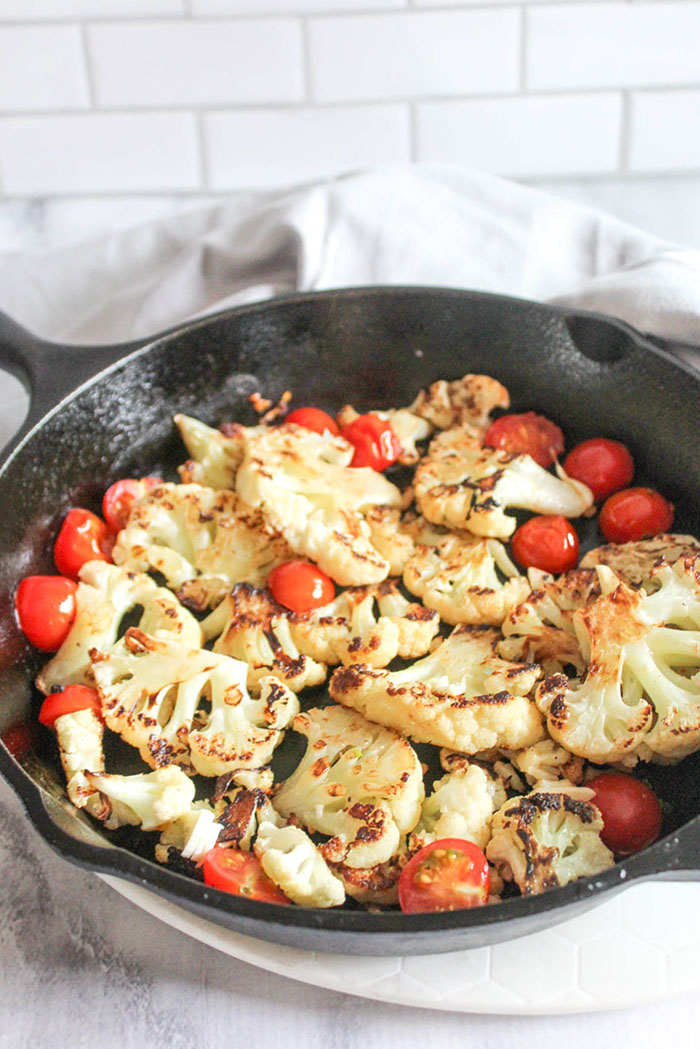
Cooking methods matter just as much as what goes into the food for building depth of flavor. Think about how different a piece of grilled chicken tastes compared to sauteed chicken.
Grilling adds a savory, smoky, charred flavor, while roasting creates a deep browned flavor. Skillet cooking builds crisp edges, and simmering blends flavors gently. Slow cooking softens and mellows, enhancing texture and aroma.
Getting to Know Your Ingredients
One reason cooking feels harder than it needs to be is that most people don’t really know what ingredients taste like on their own, or what they actually bring to a dish.
- Is it mild or strong?
- Earthy or bright?
- Bitter or sweet?
Once you understand that, cooking gets easier. You stop guessing, and you start cooking with confidence.
That’s why I created my ongoing “What Does ____ Taste Like?” series. It breaks down flavor, texture, and the best ways to use common ingredients to help with authentic flavors.
Here are a few good places to start if you are curious about how common ingredients taste:
If you are cooking with something new (or something that always trips you up), start with this series. I will give you a quick feel for what it actually brings to a dish.
When you understand what an ingredient tastes like and what flavors work well with it, you start making choices with more confidence. Cooking feels calmer and more flexible. And it gets easier to keep the flavors and the culinary traditions you grew up with, right in your own kitchen.
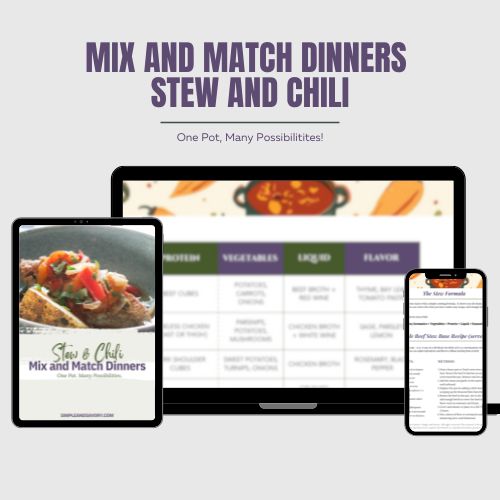
The Simple and Savory Mix and Match Dinner System
When you understand how flavor works, putting dinner together gets much easier. That’s exactly what my Simple and Savory Mix and Match Dinner System is built on. When I want dinner to feel easy (and taste good), I fall back on this simple formula:
Protein + Vegetable + Cooking Method + Flavor = Dinner
- Protein: chicken, fish, beans, eggs, ground meat
- Vegetable: fresh or frozen
- Method: roast, skillet, simmer
- Flavor: seasoning + aromatic + finish
This is an intuitive, freestyle way to cook, with a plan. No meal prep, no cooking, everything on Sunday. It’s just knowing what goes together so you can make one good dinner at a time.
Once you understand this formula, you can mix, swap, and adjust without guessing.
Three Examples
These examples show how the same basic structure can create totally different dinners from bright Mediterranean to bold Tex-Mex to Italian comfort food.
- Mediterranean Style – Chicken + zucchini + skillet + garlic, oregano, lemon, feta. Serve it in a bowl with rice or farro, or wrap in a warm pita.
- Tex-Mex Style – Ground turkey + peppers + skillet + taco seasoning, lime, salsa. Spoon it into a bowl with beans and rice or roll into tortillas
- Italian Style – ground beef + tomatoes + peppers + garlic + basil. Serve over a bowl of pasta
Choose one of the combinations above, then change it up next week for a different dinner.
For example, take the Mediterranean-style chicken and turn it into an Asian-inspired stir-fry. Skip the oregano, lemon, and feta, and use ginger and soy sauce instead. Same idea, new flavor.
Even though these flavor ideas work for side dishes and vegetables, here is a guide that takes you through simple ways to make vegetables taste better.
Favorite Shortcuts
Good food doesn’t have to be complicated. Keep some of these on hand for a busy night. You can make some of them yourself or pick them up at the supermarket.
- Jarred pesto or homemade and freeze it
- Tomato based salsa or salsa verde
- Curry paste
- Frozen onions and garlic
- Canned beans
- Stock or broth
- Spice blends such as taco seasoning, Cajun spice blend, Jerk seasoning or ranch seasoning blend
Tip! Make one or two of these and use them up during the week:
- Pickled onions or caramelized onions
- Yogurt sauce
- Simple vinaigrette
- Your favorite spice blend
How to Fix Bland Food at the Last Minute
Before you give up on a recipe, try one small adjustment. Often, that’s all it needs, here are some tips to balance and save your meal:
- Needs salt – add a pinch
- Needs acidic elements – lemon or vinegar
- Needs richness – butter, oil, yogurt
- Needs balance – tiny bit of honey or salt
- Needs freshness – herbs or citrus (zest or juice)
- Needs depth – parmesan, soy sauce, sauteed onions
Cooking with Confidence, Not Stress
You don’t need more recipes; you need a system you can trust. Choose your ingredients, a method to flavor, and that’s dinner. You can build and experiment over time, and once you understand it, cooking gets a lot more enjoyable.